
ASSALAMUALAIKUM
GREETING EVERYONE WHO ARE READING THIS

My name is Nurzareen Iman binti Hamdan.I was born at Queen Elizabeth Hospital in Kota Kinabalu,Sabah.Given a chance to pursue Diploma in Tourism Management.I am currently studying at UiTM Lendu,Campus Alor Gajah Melaka.For my first semester there are 9 subjects i have registered and one of it is UED 102.What is UED 102?Here i will try to explain a few topics about UED 102.
CONTENT FOR UED 102
Topic 1: Getting Ready to Learn & Goal Setting
Topic 2: Time Management & Getting Know the Campus
Topic 3: Memory, Learning & Improving Concentration
Topic 4: Taking Lecture Notes & Academic Integrity & Performance
TOPIC 1
MODULE 1
GETTING READY TO LEARN & GOAL SETTING
MAKING TRANSITION
We cannot deny that the transition from being a highschool student to a university student have very big difference from every aspects.Not only that we also need to adapt quickly with the university life.University is the place where we can learn how to be independant and a place to make a lot of new friend.
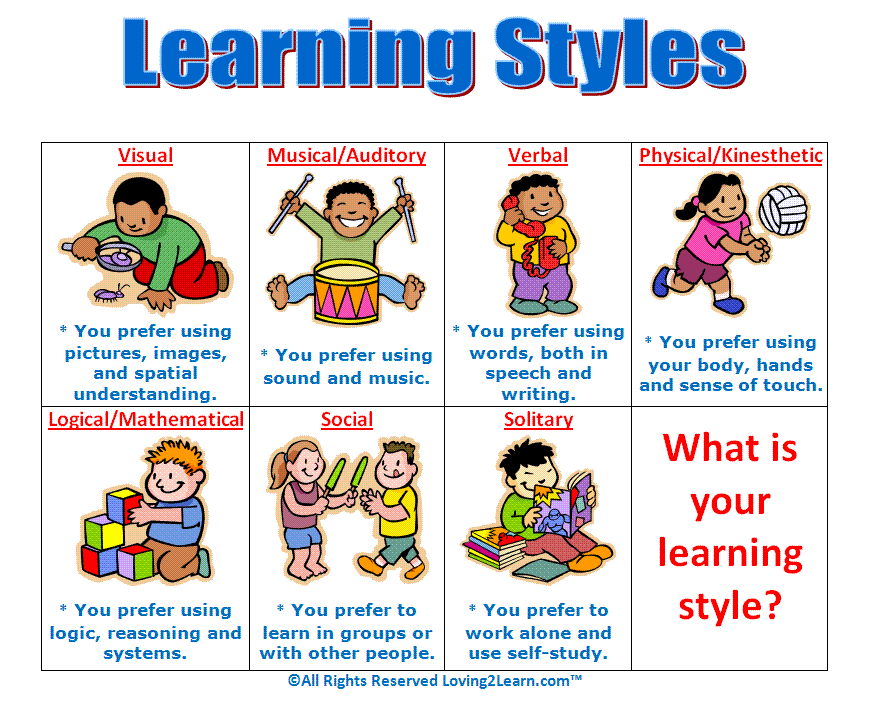
LEARNING STYLE INVENTORY
There are various styles of learning.We know that not everyone is the same.As for me i prefer to revise and study alone with materials given from my lecturers.I prefer silence and peace when studying as i am an easily distracted person but sometimes i do refer my friends to share information or study group.
MODULE 2
GOAL SETTING
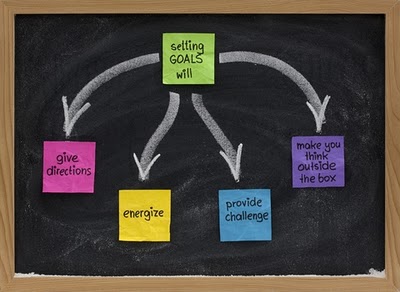
To be something that u dream of is definitely one of your goals.Goals is something that keep u going on.To achieve something for our ideal future.Having goals help us to strive for better.Every individual surely have their goals.


TOPIC 2
Module 3
TIME MANAGEMENT
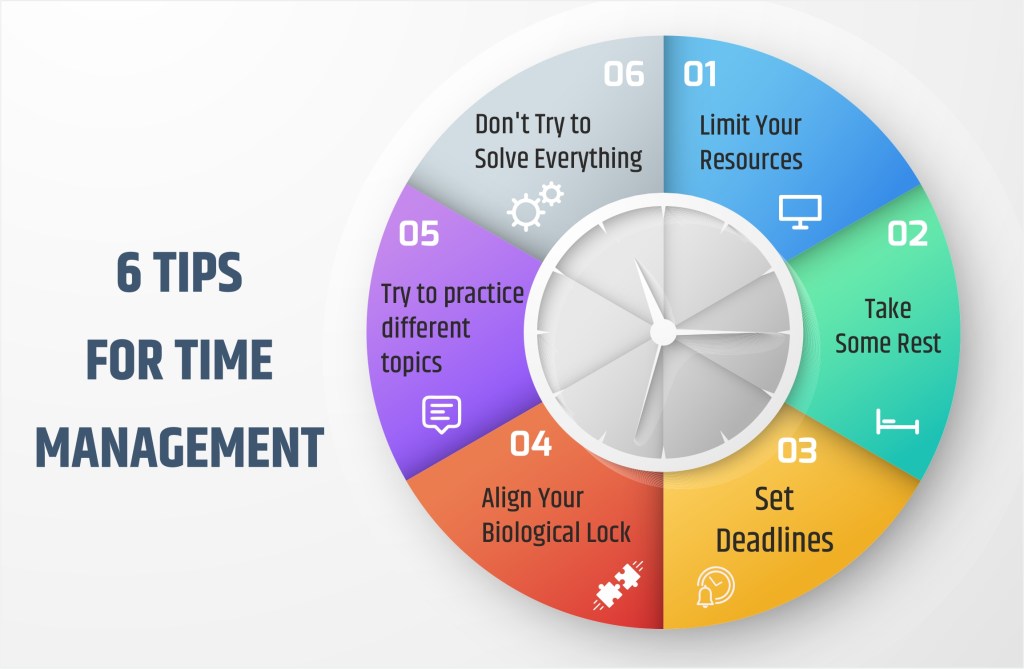
24/7 a day is enough to have a very productive day but can you manage your time well? Time management is very important for an individual to spend their time productively especially when there are errands,works or important things to catch up.It is a process of how to plan your day,to organize your schedule and how to divide your time in a day,everyday.
THE IMPORTANCE OF TIME.
There are a lot of reasons why we should learn how to manage our time. Organized schedule surely will make our daily task easier.We will not rush our time to complete our errands or tasks not only that we can also have extra time to rest if we are panctual with the schedule.
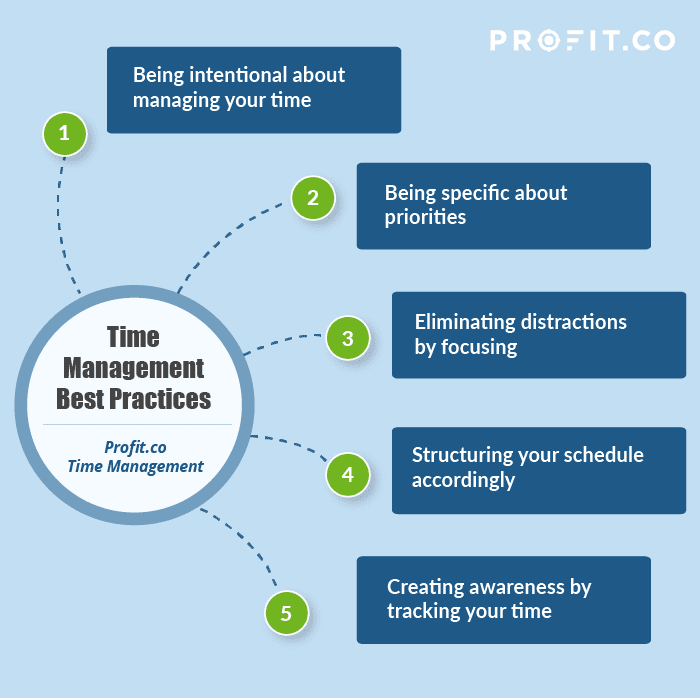
THE OBSTACLE OF TIME MANAGEMENT IN INDIVIDUAL
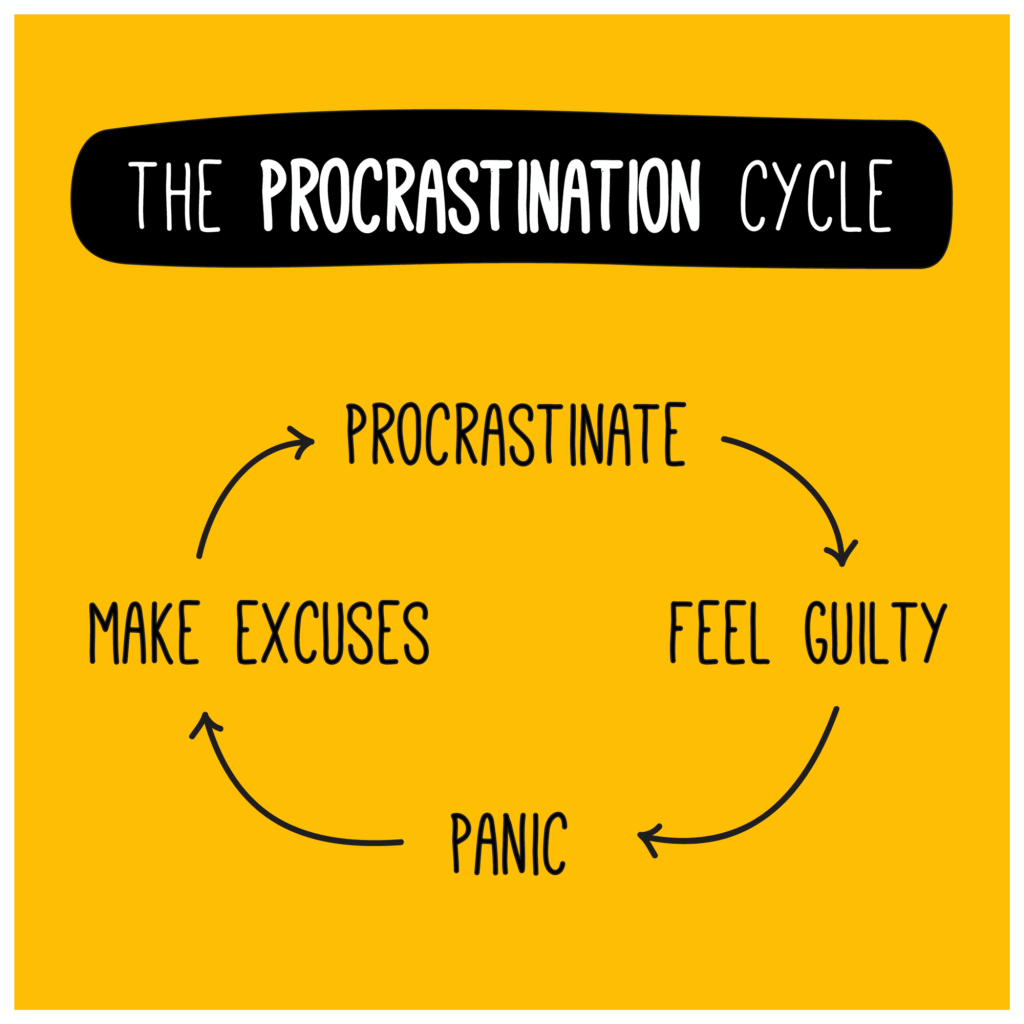
Procrastination.
It is very hard for that someone to manage their time when they have a habit of delaying to complete every tasks and activities.This is because of the individual mindset and laziness
Module 4
GETTING TO KNOW THE CAMPUS
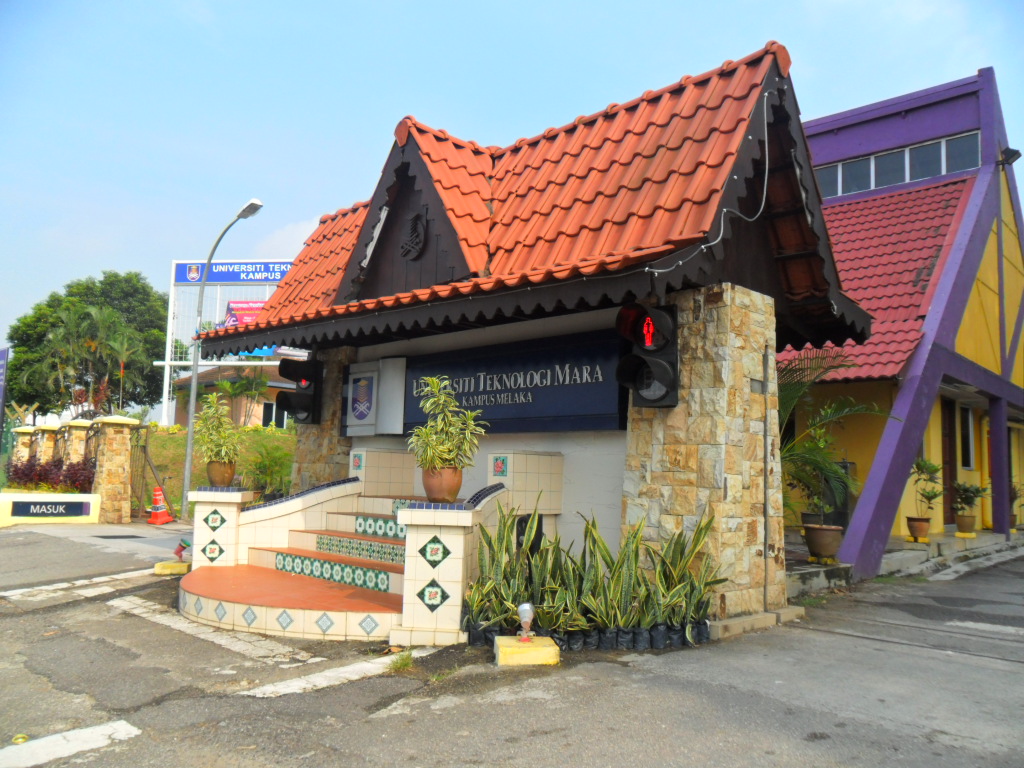
Type of resources
1.Academic Resources
-Library
-Information Technology
-Computer
-Register
-e.g: PTAR UiTM Cawangan Melaka,Makmal IT,Hal Ehwal Akademik(HEA),Bangunan pentadbiran etc
2. Housing,Dining and Transportation Resources
-Buses
-Dining places
-e.g:Shuttle buses,Bentara cafe,Kolek Tun Hamzah,Bus station,Van,Koperasi,D Laksamana Cafe.
3.Student Organisation Resources
-Extra Curriculur
-Leisure Activities
-e.g: Hal Ehwal Pelajar(HEP),Padang Kawad,Padang Ragbi,Dewan Taming Sari.
MODULE 5
MEMORY,LEARNING AND IMPROVING CONCENTRATION
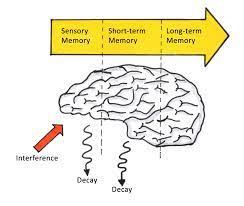
Memory is one of the basic thing that happen for a human.There are types of memory. It is a process of reproducing or recalling what we have learnt and retained especially through associative mechanism.
These are types of memory:
-Short-term memory: our short term memory only last for few hours of few days. The information need to be repeated in order to get it into long term memory.
-Long-term memory: Our long term memory last for a long time even years but if the information is not being used for a long term time,the information will be lost.
-Sensory memory: This memory can be recall by 5 forms and will be stored in sensory memory for an instant.
Memory strategies
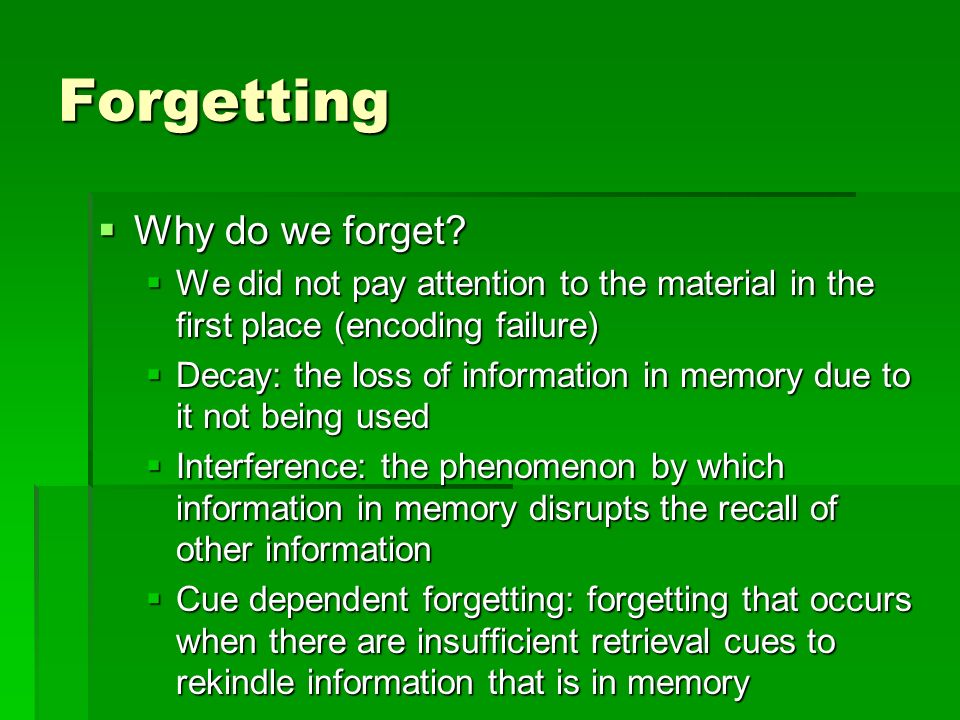
The opposite of the memorising information is obviously forgetting the information that we have gain. Why and how can we forget things?
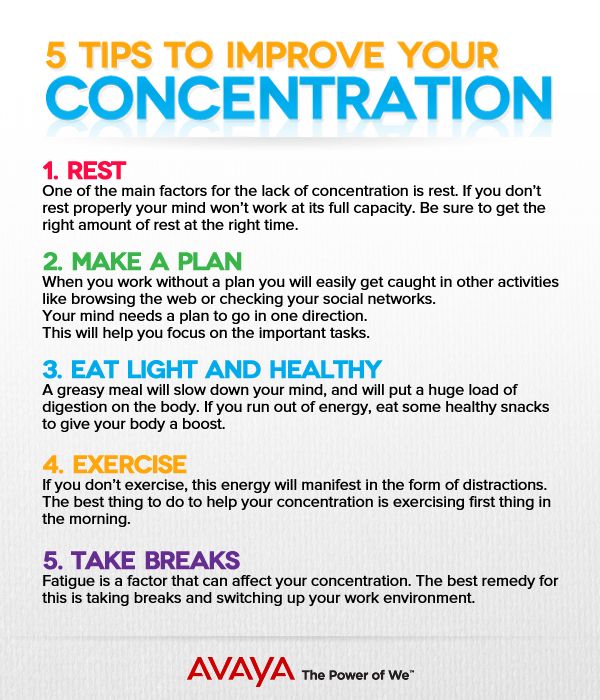
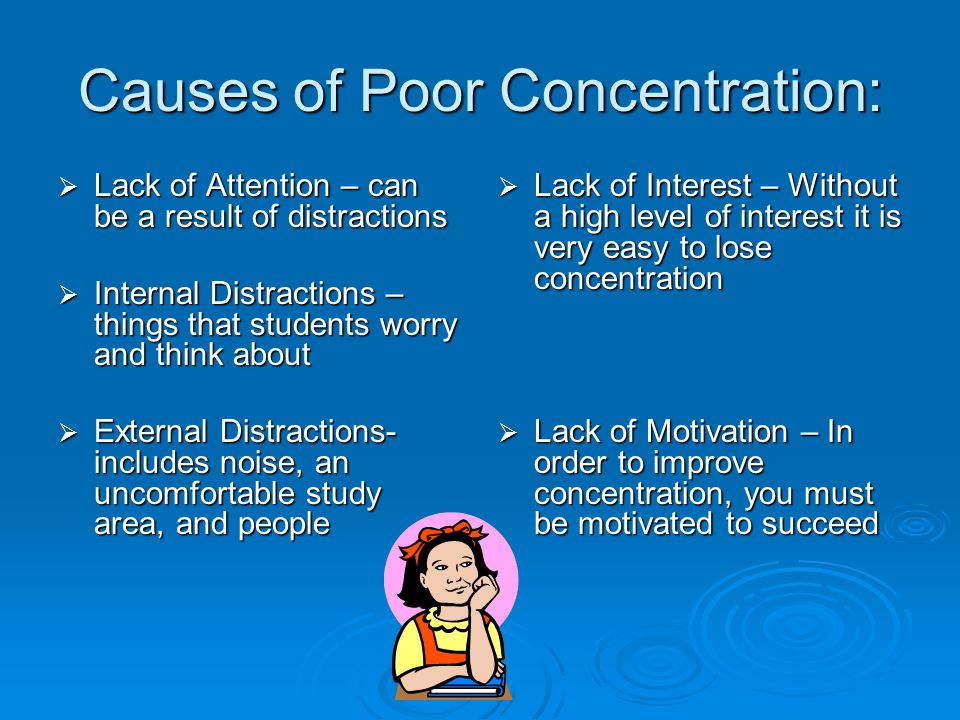
Causes of poor concentration
Strategies to improve your concentration
TOPIC 4
MODULE 6
TAKING LECTURE NOTES & ACADEMIC INTEGRITY & PERFORMANCES
The primary purpose of note taking is to encourage active learning and to prepare study materials for exams. Developing note taking skills should help you organize information into an understandable format that will assist in your studying process.
Note-Taking strategies
1. Pay attention to the lecture and class
2. Do not write and cramp every word
3. Highlight and underline important main points
4. Organize the notes by chapter
5. Put distraction away
6. Ask question when you are confused and blank about the lectures
7. Use abbreviations
8. Read and think as you write your notes
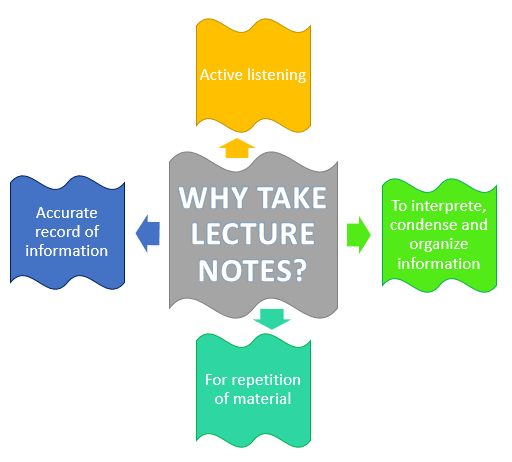
WHY DO WE TAKE NOTES DURING LECTURE?
*To study for quiz,tests/final exam
*To organize and process data and information
*Improve our memory
*Help the lecturers test students on how well they captured given information
HOW TO WRITE KEY POINT
The Charting method
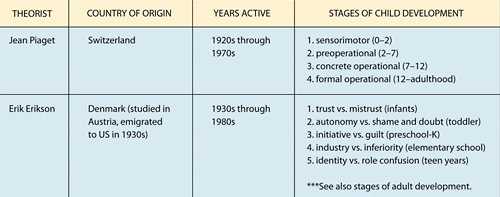
Separate your paper into columns headed by categories.write down the information that you learn under the appropriate column. This is a great method to use when the content is difficult to understand or presented quickly, as it allows you to get an overview of the lecture in your own words. This is also a good way to organize your thoughts and helpful for visual learners to memorize content.
The Cornell method
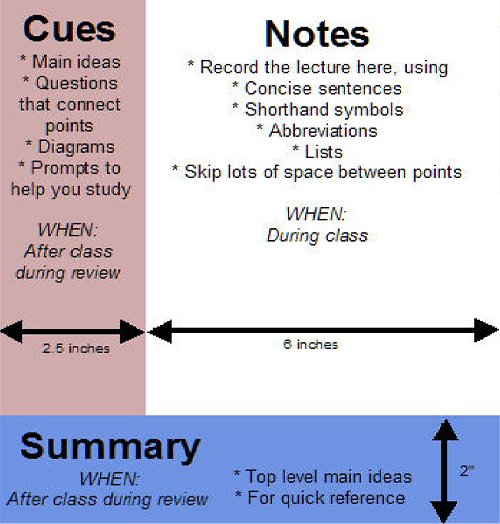
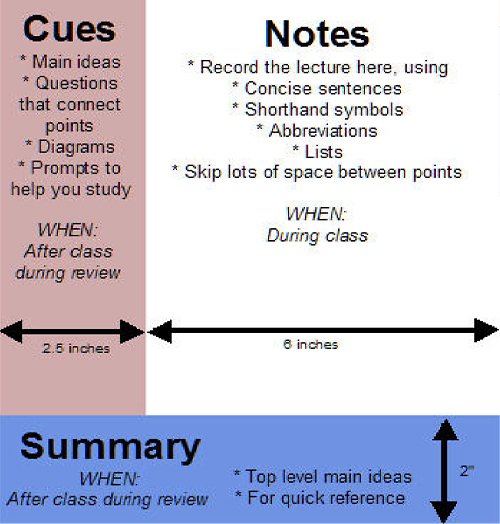
Separate your paper into three sections. The largest section is where you will record information from the lecture using sentences. After the lecture is completed, you will fill out the column to the left of the largest section. This is where you will record the main ideas and anticipate test questions. Finally, at the bottom of the paper, is a summary of the lecture. This should be completed immediately after the lecture because this is when the information will be freshest in your memory.
The outline method
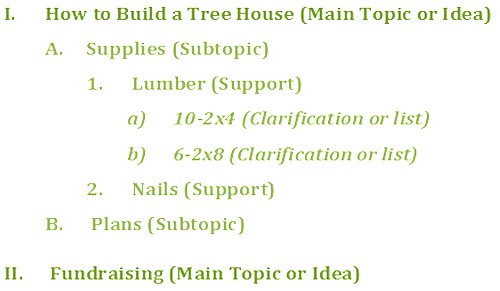
Place the main and most important points farthest to the left of your paper. As information that is more specific is given, indent to the right. The more to the right a point is, the less important it is. It’s important to note that once a new topic is started, you should begin at the left margin once more. Your outline should be a well-organized system where each subheading relates back to the original heading in the left margin. Outlining reduces editing, records content, and relationships, and allows for easy reviewing.
The Mapping method
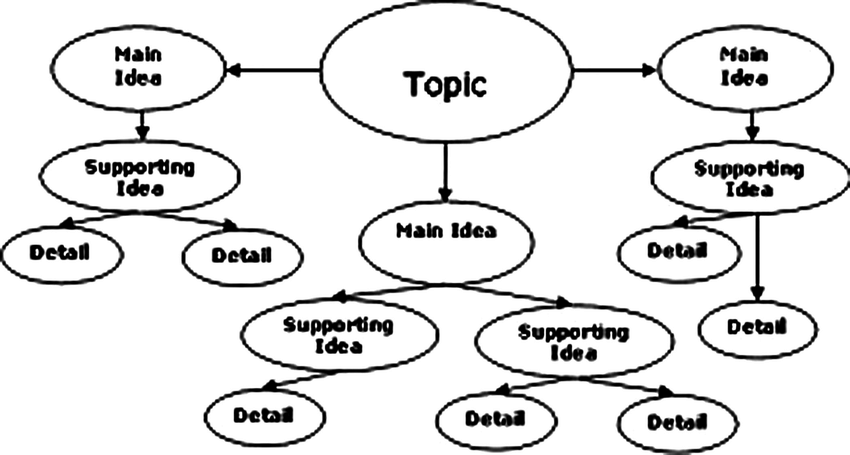
ACADEMIC INTEGRITY AND PERFORMANCE
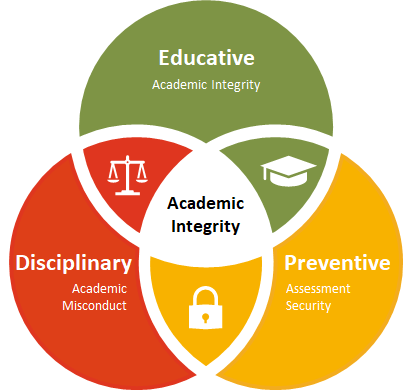
PLAGIARISM

The 5 Types of plagiarism
1. Global plagiarism means passing off an entire text by someone else as your own work.
2. Verbatim plagiarism means directly copying someone else’s words.
3. Paraphrasing plagiarism means rephrasing someone else’s ideas to present them as your own.
4. Patchwork plagiarism means stitching together parts of different sources to create your text.
5. Self-Plagiarism means recycling your own past work.
How to avoid plagiarism
- Keeping track of the sources you consult in your research.
- Paraphrasing or quoting from your sources
- Crediting the original author in an in-text citation and in your reference list.
- Using a plagiarism checker before you submit.

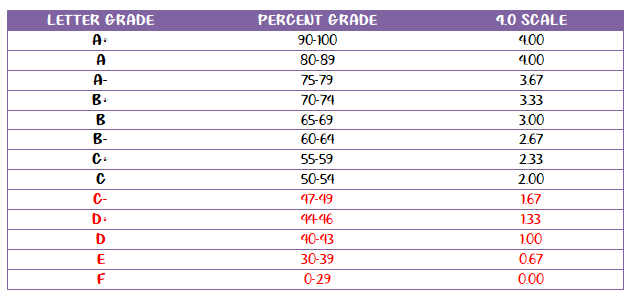
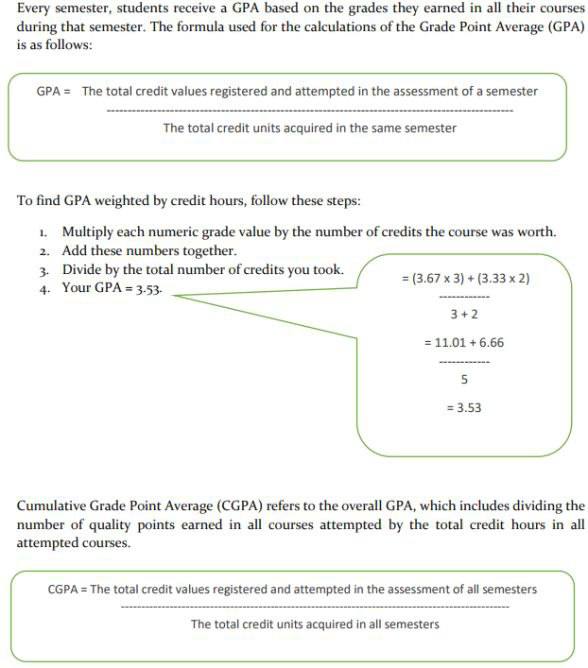
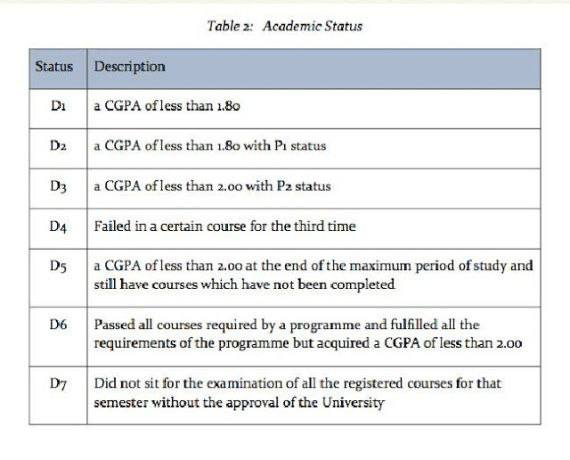
GPA WORKSHEET
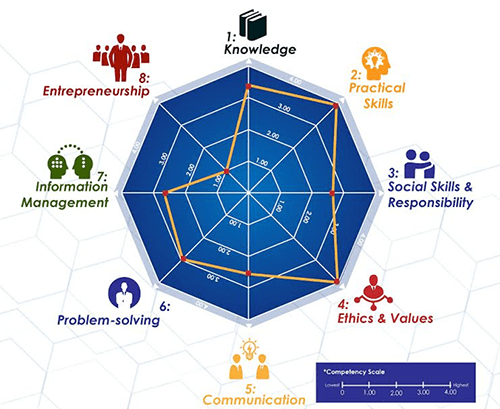
ICGPA is a reported value at the end of the semester or period of study. It value the achievement of students in mastering the knowledges of learning outcomes
Calculating grade point average
 Site Title